

Can Invisalign Attachments Stain Over Time?
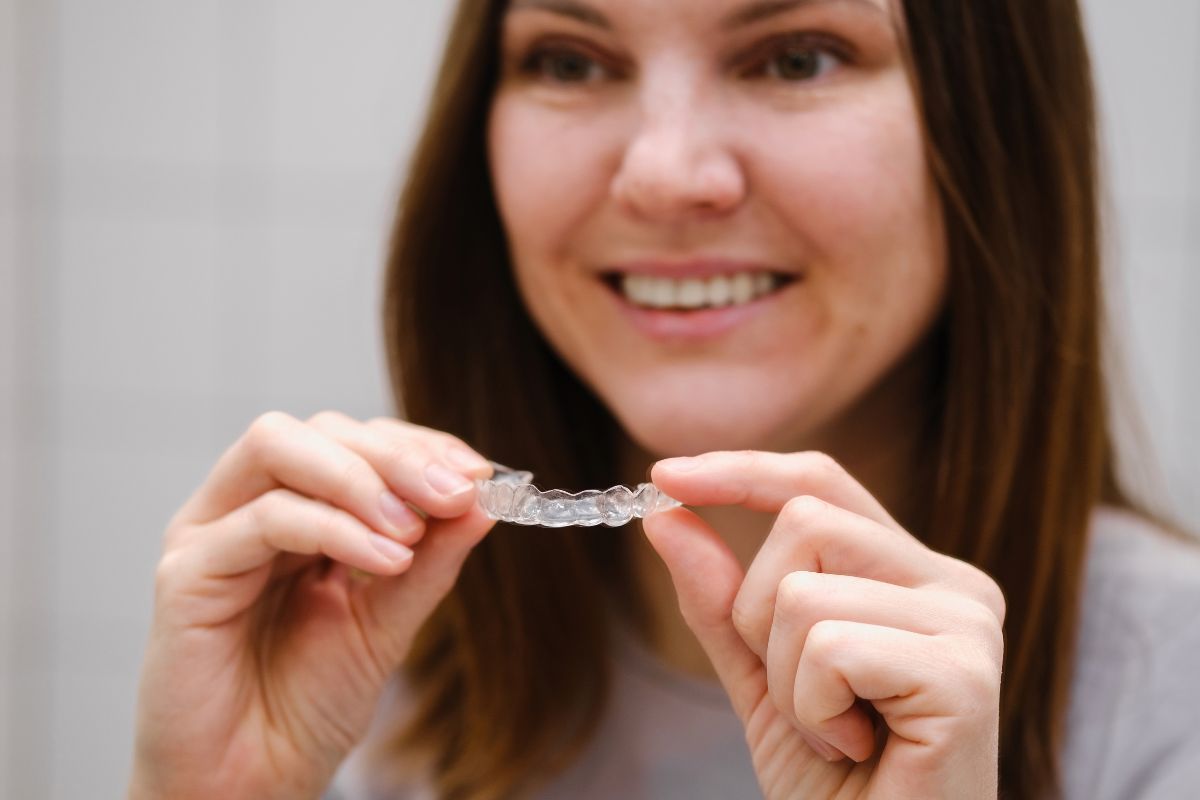
Invisalign has become a popular orthodontic option for patients looking for a more discreet way to straighten their teeth. While the clear aligners are designed to blend naturally with the smile, some patients notice changes in the appearance of their Invisalign attachments over time.
If you are undergoing Invisalign treatment, you already know that sinking feeling. Those small tooth-colored bumps that help guide your teeth into position can, over time, pick up stains. Whether you are sipping iced coffee or grabbing tacos, your daily habits are quietly affecting those little buttons more than you think.
This blog covers everything you need to know before the staining starts and what to do if it has already started.
What Are Invisalign Attachments?
Invisalign attachments are small, tooth-colored shapes bonded to specific teeth during treatment. These attachments help the aligners apply the right amount of pressure to guide teeth into proper alignment.
Because attachments are made of composite resin, they are designed to blend with the natural color of the teeth. Although they are subtle in appearance, attachments can become more noticeable if staining occurs over time.
Why Do Invisalign Attachments Stain?
Several factors can contribute to staining around Invisalign attachments. While the attachments themselves are resistant to discoloration, they are not completely stain-proof.
Dark-Colored Foods and Drinks
One of the most common causes of staining is frequent exposure to highly pigmented foods and beverages. Coffee, tea, red wine, curry, berries, and dark sodas can all contribute to discoloration.
Even though aligners are removable, attachments remain bonded to the teeth throughout treatment. This means they are continuously exposed to staining agents when eating or drinking.
Poor Oral Hygiene
Plaque buildup around attachments can make them appear yellow or dull. If brushing and flossing are inconsistent, bacteria and food particles may collect near the attachment edges, increasing the appearance of staining.
Our Invisalign treatment in Plano focuses not only on achieving straighter teeth but also on helping patients maintain healthy, clean smiles throughout treatment. Our team can provide personalized oral hygiene guidance, monitor attachment condition during regular visits, and help patients reduce staining risks so their Invisalign attachments remain as natural and discreet as possible.
Smoking and Tobacco Use
Smoking or using tobacco products can quickly stain both teeth and Invisalign attachments. Nicotine and tar can create yellow or brown discoloration that may become difficult to remove over time.
Natural Tooth Color Changes
Sometimes attachments themselves are not actually staining. Instead, surrounding teeth may change color due to dietary habits or enamel wear, causing the attachments to appear more noticeable against the tooth surface.
Are Stained Attachments Permanent?
In many cases, mild staining can be improved with professional dental cleanings and consistent oral hygiene. Surface stains may be polished away during regular dental visits.
However, more severe discoloration may require the orthodontist to replace certain attachments if they become too noticeable. Fortunately, attachments are small and can typically be adjusted without major inconvenience.
How to Prevent Invisalign Attachments From Staining
Preventing stains is often much easier than correcting them later. Patients can take several simple steps to protect the appearance of their smile during treatment.
Maintain Excellent Oral Hygiene
Brush After Meals
Brushing after eating can help remove food particles and reduce plaque buildup around attachments. Using a soft-bristled toothbrush and fluoride toothpaste is recommended.
Floss Daily
Flossing helps clean the spaces between teeth where plaque and staining agents can accumulate.
Clean Aligners Properly
Keeping aligners clean is equally important. Dirty aligners can trap bacteria and stains against the teeth and attachments.
Be Mindful of Staining Foods and Drinks
Patients do not necessarily need to avoid coffee or tea completely, but moderation can help reduce the risk of staining. Rinsing with water after consuming dark-colored beverages may also help minimize discoloration.
Using a straw for certain beverages may further limit contact with the teeth and attachments.
Avoid Smoking During Treatment
Avoiding tobacco products is one of the best ways to protect both oral health and the appearance of Invisalign attachments. Smoking not only increases staining but may also negatively affect gum health and overall treatment progress.
Regular Dental Checkups Matter
Routine dental visits are essential during orthodontic treatment. Professional cleanings help remove plaque and surface stains that brushing alone may miss.
A patient-centered approach to dental care focuses not only on straightening teeth but also on protecting long-term oral health throughout the treatment process. Regular evaluations allow dental professionals to identify concerns early and recommend solutions before staining becomes more noticeable.
Keep Your Smile Looking Its Best Throughout Treatment
A healthy, confident smile requires more than just straight teeth. Maintaining good oral hygiene habits and staying proactive during treatment can help prevent Invisalign attachments from staining and keep your smile looking natural from start to finish.
At Elvebak Orthodontics, our dental clinic is committed to providing high-quality, patient-focused care in a welcoming environment where patients feel informed and supported throughout every stage of their orthodontic journey. If you have questions about Invisalign treatment or want guidance on maintaining a healthy smile during treatment, schedule an appointment today and let our experienced team help you protect your smile with confidence.
Frequently Asked Questions (FAQs)
Can Invisalign attachments stain even if the aligners stay clear?
Yes. Attachments and the bonding material around them may gradually absorb stains from coffee, tea, wine, curry, and smoking. Discoloration usually becomes more noticeable when oral hygiene becomes inconsistent during treatment.
Why do Invisalign attachments sometimes look yellow around the edges?
The yellow appearance often comes from staining around the adhesive rather than the attachment itself. Plaque buildup and dark beverages may slowly discolor the surrounding bonding material.
Can whitening treatments remove stains from Invisalign attachments?
Professional whitening may improve the surrounding tooth color, but attachments themselves do not always whiten evenly. Many orthodontists recommend evaluating discoloration carefully before beginning whitening treatment during active alignment therapy.
Do attachments become more noticeable later in treatment?
Yes. Attachments may appear more visible over time as staining develops around edges or plaque accumulates nearby. Certain lighting, photography, and darker beverages can make discoloration stand out more clearly.
Can poor cleaning habits damage teeth around Invisalign buttons?
Yes. Inadequate brushing and flossing may allow plaque to accumulate around attachments, increasing the risk of staining, enamel weakening, and decalcification during treatment. Consistent cleaning remains critical throughout orthodontic care.

NEW PATIENTS Are WELCOME!