

Invisalign vs Braces: Which is Right for You?
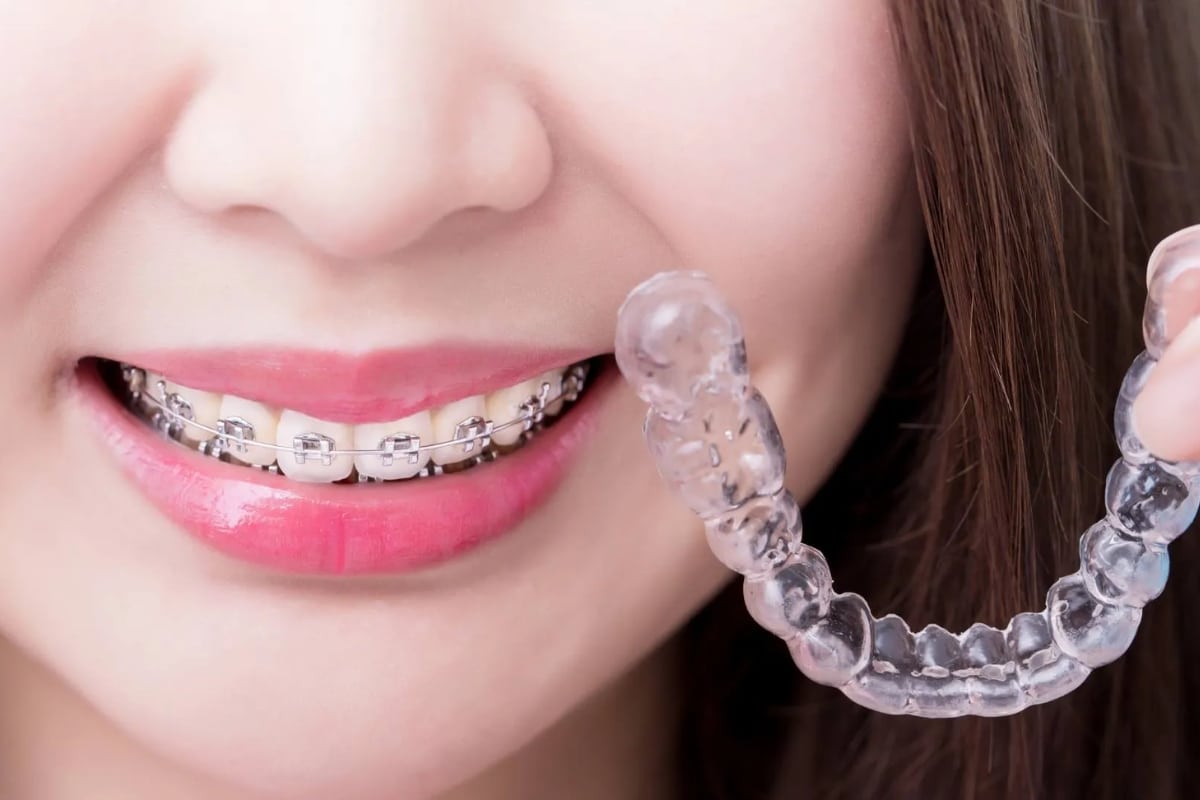
Imagine walking into a room full of people; they notice your confident smile first. Achieving that perfect smile is worth pursuing for many, and orthodontic treatment can help you get there. Choosing the right orthodontic option is an important decision that can affect not only your smile but also your comfort, confidence, and daily routine. With modern advancements in orthodontic treatment, patients today often face a decision between two popular options: Invisalign and traditional braces. While both are designed to correct misalignment and improve bite function, they work in different ways and suit different lifestyles and needs.
Understanding how these options compare can help you feel informed and confident as you explore what’s right for you—especially when working with an experienced orthodontist in Plano who prioritizes precision, comfort, and long-term results.
Understanding Orthodontic Treatment Today
Orthodontic care has evolved significantly over the years. Today’s approach focuses not only on straightening teeth but also on overall oral health, facial balance, and patient comfort. A personalized plan considers factors such as jaw alignment, tooth spacing, bite patterns, and even daily habits.
Both Invisalign and braces are effective tools within modern orthodontics. The key difference lies in how they move teeth and how patients experience treatment day to day.
What Is Invisalign?
A Clear, Removable Approach
Invisalign uses a series of custom-made, clear aligners that gradually shift teeth into proper alignment. These aligners are removable and designed to fit snugly over your teeth, making them far less noticeable than traditional braces.
Because the aligners are changed periodically, each set builds on the progress of the previous one, following a carefully planned digital roadmap created by an orthodontic professional.
Lifestyle and Convenience Considerations
Many patients appreciate Invisalign for its flexibility. The ability to remove aligners during meals and oral hygiene routines can make daily life feel less disrupted. This option often appeals to adults and teens who want a more discreet way to improve their smile without drawing attention to their treatment.
However, success with Invisalign requires consistency. Aligners must be worn for the recommended number of hours each day to stay on track.
What Are Traditional Braces?
A Time-Tested Orthodontic Solution
Traditional braces use brackets and wires to apply continuous pressure to teeth, gradually guiding them into the desired position. While they are more visible, braces have been refined over decades and remain one of the most effective orthodontic tools available.
Predictability and Control
Braces are often recommended for more complex alignment issues because they allow orthodontists precise control over tooth movement. Since they are fixed in place, braces work continuously without relying on patient compliance, unlike removable aligners.
For some individuals, this consistency provides peace of mind and ensures steady progress throughout treatment.
Invisalign vs Braces: Key Differences to Consider
Appearance and Discretion
One of the most noticeable differences is appearance. Invisalign aligners are clear and subtle, while braces are more visible. Patients who prefer a low-profile option often lean toward Invisalign, while others prioritize effectiveness over aesthetics.
Comfort and Adjustment
Both options require an adjustment period. Invisalign aligners tend to feel smoother against the cheeks and gums, while braces may cause temporary irritation, especially after adjustments. That said, advances in orthodontic materials have made both options more comfortable than ever before.
Daily Habits and Maintenance
With Invisalign, aligners must be removed before eating and cleaned regularly. Braces, on the other hand, stay in place but require extra attention during brushing and flossing. Each option comes with its own learning curve, and personal habits play a big role in determining which feels more manageable.
Which Option Fits Your Needs Best?
There is no one-size-fits-all answer. The right choice depends on several factors, including the complexity of your alignment, your lifestyle, and your ability to follow daily wear guidelines. A knowledgeable orthodontist evaluates these details carefully before recommending a path forward.
When discussing options with an orthodontist in Plano, patients benefit from an individualized approach that considers both clinical needs and personal preferences—ensuring that treatment is not only effective but also realistic and comfortable.
The Importance of Professional Guidance
Orthodontic decisions should always be guided by expertise. Proper evaluation, accurate diagnosis, and thoughtful planning are essential to achieving stable, healthy results. Modern orthodontic treatment emphasizes evidence-based care, advanced technology, and clear communication so patients understand what to expect every step of the way.
A Confident Step Toward a Healthier, Aligned Smile
A straighter smile is about more than aesthetics—it’s about confidence, comfort, and long-term oral health. At Elvebak Orthodontics, we take a thoughtful, patient-focused approach to orthodontic care, helping individuals understand their options and feel confident in their decisions. Our dental office is dedicated to education, precision, and high-quality care in a welcoming environment designed around your needs. If you’re exploring Invisalign or braces and want guidance you can trust, we invite you to visit our dental clinic in Plano or schedule an appointment and take the next step toward a smile you’ll feel great about.
Frequently Asked Questions
Which option is more comfortable for daily wear?
Many patients find Invisalign more comfortable due to smooth aligners and fewer pressure points. Braces may cause temporary soreness after adjustments, especially during the early stages.
Is Invisalign as effective as braces?
Invisalign and braces can both produce excellent results when used appropriately. The effectiveness depends on the complexity of the alignment and how consistently aligners are worn when Invisalign is chosen.
Does Invisalign work for adults and teens?
Yes, Invisalign is commonly used by both adults and teens. It is often preferred by patients who want a less noticeable option while continuing their normal daily routines.
Are braces better for complex orthodontic issues?
Braces are often recommended for more complex bite or alignment concerns because they provide continuous control and do not rely on removable wear habits.
How long does orthodontic treatment usually take?
Treatment time varies depending on individual needs, tooth movement, and consistency. Some cases progress faster than others, regardless of whether Invisalign or braces are used.

NEW PATIENTS Are WELCOME!