

How do I get an emergency dental appointment near me?
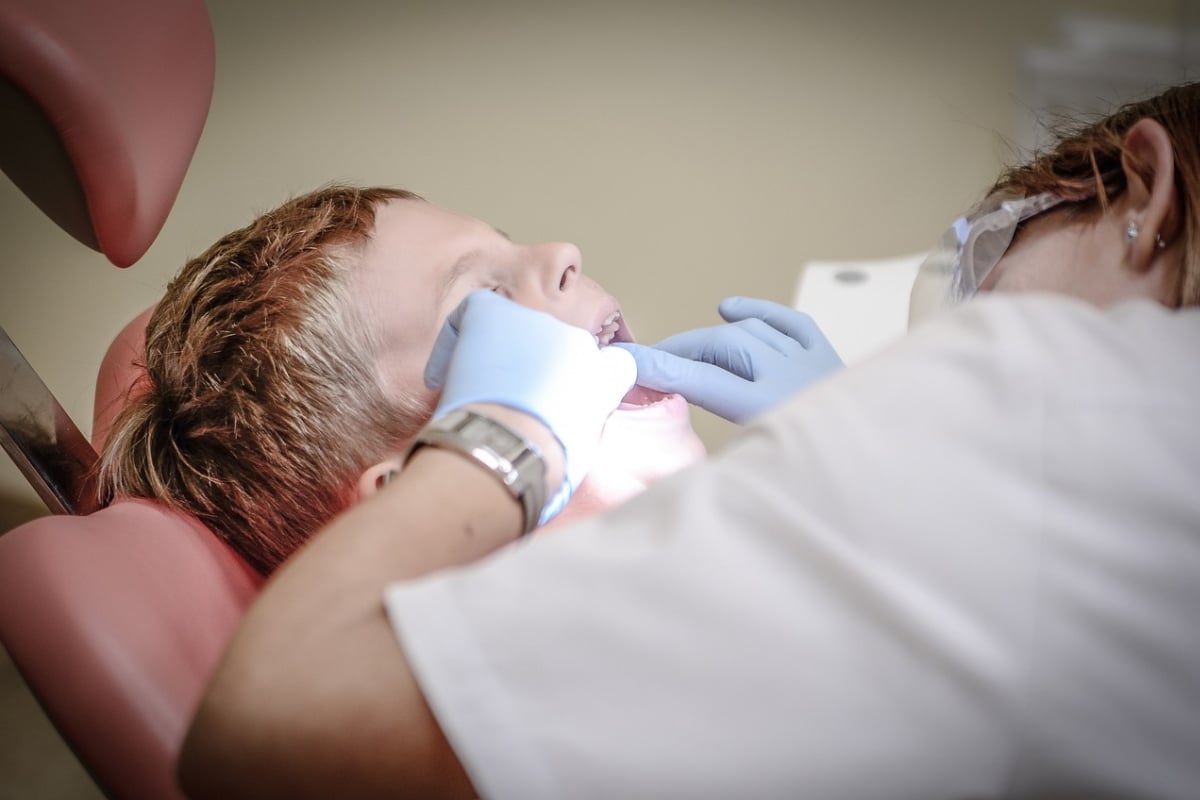
Dental emergencies can strike at any time, causing excruciating pain, swelling, or even bleeding. In such situations, prompt attention from a qualified dental professional is crucial to alleviate discomfort and prevent further complications. Emergency dental appointments aim to promptly address these urgent dental issues and provide patients with the necessary care.
As someone who values their oral health, I understand the importance of seeking immediate treatment when faced with a dental emergency. Ignoring these issues can lead to severe consequences, such as infection, tooth loss, or even systemic health problems. By prioritizing emergency dental appointments, we can safeguard our overall well-being and avoid potentially costly and complex treatments down the line.
Signs that you might need an emergency dental appointment
Recognizing the signs of a dental emergency is the first step in seeking timely care. Several common indicators suggest that you may require an emergency dental appointment:
- The patient has severe and persistent toothache or jaw pain.
- Swollen gums or facial swelling
- The mouth is bleeding uncontrollably.
- Knocked out or dislodged teeth
- A damaged or cracked tooth
- An abscess or pus discharge from the gums or teeth is present.
- An accident or trauma can result in injuries to the jaw or mouth.
If you experience any of these symptoms, it’s crucial to act promptly and contact an emergency dental service provider. Delaying treatment can exacerbate the issue and increase the risk of complications.
How to find emergency dental services near you
In dental emergencies, finding a reliable and accessible emergency dental service provider is critical. Here are some effective strategies to find emergency dental services near you:
- Contact your regular dentist: Many dental practices offer emergency services or have arrangements with other clinics to provide after-hours care. Start by calling your regular dentist’s office, as they may be able to accommodate your urgent needs or provide a referral.
- Search online directories: Utilize online directories or search engines to find emergency dental clinics in your area. Look for keywords like “emergency dentist near me,” “24-hour dentist,” or “after-hours dental care.” These searches will provide you with a list of nearby options along with their contact information and operating hours.
- Check with local dental associations: Professional dental associations often maintain lists of emergency dental providers in your region. Contact your local or state dental association for recommendations or referrals.
- If you have dental insurance, your provider may offer a list of in-network emergency dental clinics or provide guidance on where to seek urgent care.
- Seek recommendations: Contact friends, family, or colleagues who have previously dealt with dental emergencies. Personal recommendations can be invaluable in finding reliable and trustworthy emergency dental services.
Tips for getting an emergency dental appointment quickly
During a dental emergency, every moment counts. Here are some tips to help you secure an emergency dental appointment as quickly as possible:
- Be prepared: Keep the contact information for your regular dentist and nearby emergency dental clinics readily available. This will save you valuable time during an emergency situation.
- Call as early as possible. Many emergency dental clinics operate on a first-come, first-served basis. Calling early in the day or as soon as an issue arises can increase your chances of getting an appointment sooner.
- Explain the urgency: When contacting the dental office, clearly describe the nature of your emergency and the severity of your symptoms. This will help the staff prioritize your case and potentially expedite your appointment.
- While you may have a preferred time slot, being open to any available appointment can speed up your visit. Dental emergencies often require immediate attention, so be prepared to adjust your schedule accordingly.
- Inquire about walk-in availability: On a first-come, first-served basis, some emergency dental clinics accept walk-in patients. If you’re unable to schedule an appointment over the phone, consider walking in and waiting for your appointment.
What to expect during an emergency dental appointment
Understanding what happens during an emergency dental appointment can ease any anxiety or concerns. Here’s a general outline of what to expect:
- Triage and assessment: Upon arrival, the dental staff will assess the severity of your condition and prioritize your treatment based on the urgency of your situation.
- Review your medical history: The dentist may request your medical history, which includes any current medications, allergies, or pre-existing conditions. This information helps the dentist provide safe and appropriate treatment.
- Diagnostic procedures: Depending on the nature of your emergency, the dentist may order X-rays, take impressions, or perform other diagnostic procedures to accurately identify the underlying issue.
- Treatment plan: After determining the cause of your dental emergency, the dentist will discuss the recommended treatment plan with you. This may involve procedures such as tooth extraction, root canal therapy, or temporary restorations.
- Pain management: The dental team will prioritize managing your pain and discomfort by administering local anesthetics or other appropriate pain relief measures.
- Follow-up care: In some cases, you may need to schedule a follow-up appointment for additional treatment or monitoring. The dental team will provide you with instructions for postoperative care and any necessary prescriptions.
Remember, during an emergency dental appointment, the primary focus is on addressing the immediate issue and providing relief. The dental team will work efficiently to ensure your comfort and well-being throughout the process.
Emergency dental care options and treatments
Emergency dental care encompasses a range of treatments and procedures designed to address various urgent dental situations. Here are some common emergency dental care options and treatments:
- Tooth extraction: Severe damage, infection, or significant pain may necessitate tooth extraction. This procedure involves the removal of the entire tooth from the socket.
- Root canal therapy: A dentist may recommend a root canal treatment if the tooth’s pulp or the inner soft tissue becomes infected or inflamed. This procedure entails extracting the infected or damaged pulp, thoroughly cleaning and disinfecting the tooth’s interior, and sealing it with a filling or crown.
- Dental fillings: For minor cavities or chipped teeth, the dentist may place a filling to restore the tooth’s structure and prevent further decay or damage.
- Dental crowns may be required in cases of severe tooth fractures or extensive decay. This protective cap covers the entire visible portion of the tooth, restoring its shape, strength, and appearance.
- A dentist may use braces or wires to stabilize and reposition a knocked-out or dislodged tooth until it can receive proper treatment or replacement.
- Gum treatment: For issues related to gum infections, abscesses, or severe gum inflammation, the dentist may perform procedures such as drainage, antibiotics, or scaling and root planing to address the underlying problem.
- Dental bonding: For minor chips, cracks, or gaps in the teeth, dental bonding can be a quick and effective solution. This procedure involves applying a tooth-colored resin material to the affected area and hardening it with a special light.
- Temporary restorations: In some cases, the dentist may provide temporary fillings, crowns, or other restorations to alleviate pain or protect the affected area until a more permanent solution can be implemented.
The specific treatment recommended will depend on the nature and severity of your dental emergency, as well as your overall oral health and medical history.
Common dental emergencies and how to handle them
Dental emergencies can take various forms, each requiring different approaches and immediate actions. Some common dental emergencies and tips for managing them are listed below:
- Toothache or dental pain:
- To clean the area, rinse your mouth with warm water.
- Use a cold compress on the affected area to minimize swelling and pain.
- Follow the instructions for taking over-the-counter pain relievers.
- Refrain from chewing on the affected side until you can visit a dentist.
- Knocked-out tooth:
- Gently rinse the tooth with water, keeping it by the crown (the white part).
- If possible, try to reinsert the tooth into the socket and hold it in place with clean gauze or a moist tea bag.
- If reinsertion is not possible, store the tooth in a container with milk or saliva to keep it moist.
- Seek emergency dental care right away, as the first hour offers the best chance for successful tooth replantation.
- Broken or cracked teeth:
- To clean the area, rinse your mouth with warm water.
- Use a cold compress on the affected area to minimize swelling and pain.
- Cover any sharp edges with dental wax or chewing gum to prevent injury to the cheeks or tongue.
- Refrain from chewing on the affected side until you can visit a dentist.
- Abscess or gum infection:
- To clean the area, rinse your mouth with warm water.
- Use a cold compress on the affected area to minimize swelling and pain.
- Take over-the-counter pain medication as directed.
- Seek emergency dental care promptly, as abscesses and gum infections can spread and lead to serious complications if left untreated.
- The jaw or mouth is injured.
- Use a cold compress on the affected area to alleviate swelling and pain.
- If bleeding occurs, apply firm pressure with a clean gauze or cloth.
- Seek emergency dental or medical care, as jaw or mouth injuries may require specialized treatment or imaging to assess the extent of the damage.
Remember, taking prompt action and seeking professional dental care are critical for effectively managing dental emergencies and preventing further complications.
Preventive measures to avoid dental emergencies
While dental emergencies can happen unexpectedly, there are several preventive measures you can take to reduce the risk of experiencing such situations:
- Regular dental checkups and cleanings: Maintaining regular dental appointments for check-ups and professional cleanings is one of the most effective ways to prevent dental emergencies. During these visits, your dentist can detect and address potential issues before they escalate into more serious problems.
- Proper oral hygiene: Brushing your teeth twice a day with a fluoride toothpaste, flossing daily, and using an antiseptic mouthwash can help prevent tooth decay, gum disease, and other dental problems that may lead to emergencies.
- Wear protective gear for sports: If you participate in contact sports or recreational activities that carry a risk of impact to the mouth or face, wearing a properly fitted mouthguard can help protect your teeth and prevent injuries.
- Avoid hard or sticky foods: Consuming hard or sticky foods, such as tough candies, ice cubes, or caramel, can increase the risk of chipping, cracking, or dislodging teeth. When eating these types of items, be aware of your food choices and exercise caution.
- Maintain excellent overall health: Certain medical conditions, such as diabetes or immunodeficiency disorders, can increase the risk of dental problems and infections. Maintaining excellent overall health through a balanced diet, regular exercise, and managing any underlying medical conditions can contribute to better oral health and reduce the likelihood of dental emergencies.
- Address dental issues promptly: If you notice any unusual symptoms or changes in your oral health, such as tooth sensitivity, gum swelling, or persistent foul breath, don’t ignore them. Seek dental attention promptly to address potential issues before they escalate into emergencies.
By incorporating these preventive measures into your daily routine and maintaining regular dental care, you can significantly reduce the risk of experiencing dental emergencies and enjoy better overall oral health.
The cost of emergency dental appointments and insurance coverage is significant.
The cost of emergency dental appointments can vary depending on several factors, including the type of treatment required, the location of the dental practice, and whether you have dental insurance coverage.
- Uninsured or out-of-pocket costs: If you lack dental insurance, you will personally bear the entire expense of an emergency dental treatment. The cost can range from a few hundred dollars for minor procedures, such as fillings or extractions, to several thousand dollars for more complex treatments like root canals or dental implants.
- Dental insurance coverage: If you have dental insurance, the cost of emergency dental appointments may be partially or fully covered, depending on your specific plan and the type of treatment required. Most dental insurance plans cover a portion of the cost for emergency services, but you may still be responsible for co-payments, deductibles, or coinsurance fees.
- Dental discount plans: In the absence of traditional dental insurance, some individuals opt for dental discount plans. Participating dental practices offer discounted rates for a variety of dental services, including emergency care. While the savings may not be as significant as with insurance, these plans can help make emergency dental treatment more affordable.
- Payment plans or financing options: Many dental practices understand the financial burden of unexpected dental emergencies and may offer payment plans or financing options to help make the treatment more manageable. These arrangements typically involve paying the cost over a period of time with interest or administrative fees.
It’s essential to discuss the cost and payment options with the dental office before receiving treatment. Some dental practices may also offer discounts or sliding-scale fees for patients without insurance or those facing financial hardship.
Additionally, if you have dental insurance, it’s crucial to understand your plan’s coverage for emergency dental services, as well as any limitations or exclusions. Reviewing your policy or contacting your insurance provider can help you better prepare for the potential costs associated with an emergency dental appointment.
Conclusion: Maintaining your dental health and being ready for emergencies are essential.
In conclusion, anticipating dental emergencies is crucial for ensuring prompt and effective treatment. By understanding the importance of emergency dental appointments, recognizing the signs that warrant immediate attention, and knowing how to locate and access emergency dental services near you, you can take preventive steps to safeguard your oral health.
Remember, preventive measures such as regular dental check-ups, proper oral hygiene, and a balanced diet can significantly reduce the risk of dental emergencies. However, should an emergency arise, don’t hesitate to seek professional care.
By prioritizing your dental health and being prepared for emergencies, you can maintain a healthy, beautiful smile and enjoy peace of mind knowing that you have access to quality emergency dental care when you need it most.



NEW PATIENTS Are WELCOME!