

Metal, Clear or Damon Braces: Which Type Is Right for You?
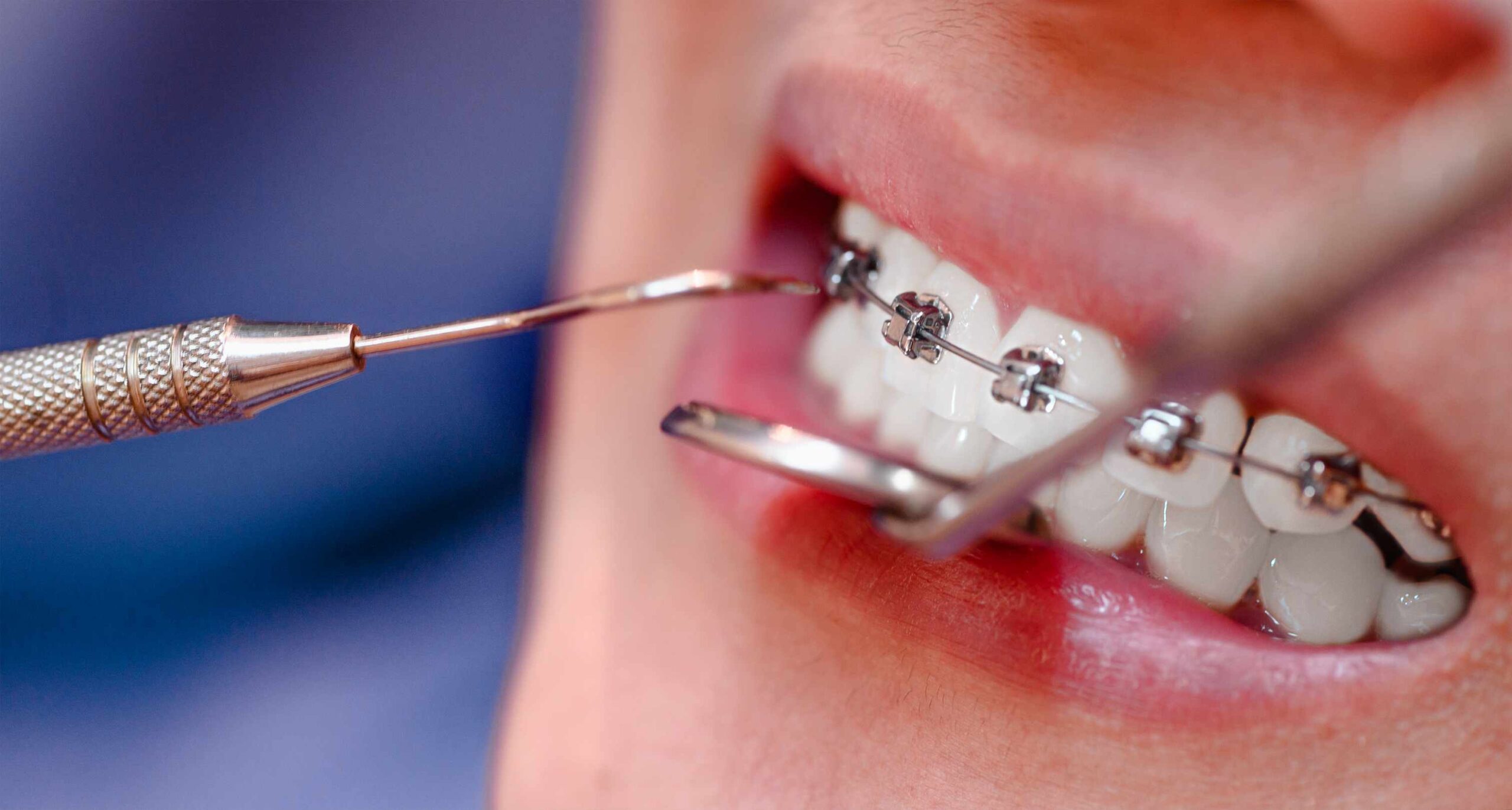
Choosing braces is no longer a one-option decision. Today, patients may be able to choose traditional metal braces, clear ceramic braces, or a self-ligating system such as Damon braces.
All three options use brackets and archwires to move teeth gradually. The main differences involve their appearance, bracket design, maintenance, cost, and suitability for specific orthodontic needs.
For patients considering braces in Dallas, the right choice depends on more than which option looks best in a photo. Your bite, tooth alignment, lifestyle, treatment goals, and orthodontist’s recommendation all matter.
Braces Comparison at a Glance
| Feature | Metal Braces | Clear Braces | Damon Braces |
| Appearance | Most noticeable | Tooth-colored or transparent brackets | Lower-profile metal or clear brackets may be available |
| How the wire is held | Usually elastic or metal ties | Usually elastic or clear ties | Built-in sliding mechanism |
| Customization | Colored elastic ties may be available | Designed to blend with teeth | Usually chosen for a more streamlined appearance |
| Cleaning needs | Careful brushing around brackets and ties | Requires careful cleaning to maintain appearance | No traditional elastic ties around each bracket |
| Treatment range | Suitable for many orthodontic concerns | Suitability depends on the case | Suitable for many patients after evaluation |
| Cost | Often the most economical option | May cost more than metal braces | Often comparable to traditional braces at this practice |
| Best suited for | Patients prioritizing durability and value | Patients wanting less noticeable fixed braces | Patients interested in a self-ligating fixed system |
The exact experience, timeline, and cost will vary based on the complexity of the case and the personalized treatment plan.
What Are Traditional Metal Braces?
Traditional metal braces use stainless steel brackets attached to the teeth and connected by an archwire. Small elastic or metal ties usually hold the wire in place.
They remain one of the most widely used orthodontic treatments because they are durable, reliable, and capable of treating a broad range of alignment and bite problems. The American Association of Orthodontists identifies effectiveness and affordability among the main advantages of traditional metal braces.
Metal braces may be a strong choice when:
- You want a dependable and cost-conscious option
- Your treatment involves significant crowding or bite correction
- You do not mind having visible brackets
- You enjoy choosing different elastic colors
- You prefer a fixed appliance that cannot be removed or misplaced
Their visibility is the biggest drawback for some patients. They also require careful brushing and flossing because food and plaque can collect around brackets, wires, and elastic ties.
What Are Clear Braces?
Clear braces work much like traditional metal braces, but the brackets are made from tooth-colored or transparent ceramic material. This allows them to blend more naturally with the teeth.
They are often popular among adults and older teens who want fixed orthodontic treatment without the appearance of conventional metal brackets. The AAO notes that ceramic braces provide a less noticeable option, although they may not be appropriate for every orthodontic case.
Clear braces may suit you when:
- Appearance is an important concern
- You want fixed treatment rather than removable aligners
- You are prepared to clean the brackets carefully
- Your orthodontic needs can be treated effectively with ceramic brackets
- You understand that some wires or additional components may remain visible
Clear brackets do not make braces invisible. The archwire, elastics, and other components may still be noticeable. Clear or tooth-colored ties may also become discolored without proper care, so oral hygiene matters.
What Are Damon Braces?
Damon braces are a type of self-ligating braces. Instead of using conventional elastic ties to secure the archwire, each bracket has a built-in sliding door or clip that holds the wire.
The American Association of Orthodontists describes self-ligating braces as brackets with built-in clips or doors that secure the wire and may allow longer intervals between some appointments.
Elvebak Orthodontics offers Damon Smile treatment at its Dallas office. The practice describes the system as using a low-friction sliding mechanism and light, shape-memory wires. Clear Damon brackets may also be available for patients who prefer a less noticeable appearance.
Damon braces may be worth considering when:
- You want a fixed self-ligating system
- You prefer brackets without traditional elastic ties
- You are interested in metal or potentially clear bracket options
- You want a low-profile brace design
- Your orthodontist determines the system suits your bite and alignment needs
The practice notes that Damon treatment may require fewer adjustment visits in some cases and is generally comparable in price to traditional braces. However, treatment time and appointment frequency still depend on the individual case.
Which Braces Are the Least Noticeable?
Clear ceramic braces are generally less noticeable than traditional metal braces because their brackets blend with the teeth. Damon Clear brackets may provide another discreet fixed option when clinically appropriate.
Metal braces remain the most visible, although some patients enjoy treating the colored elastics as an accessory rather than a flaw. Braces are temporary. The school-photo evidence, unfortunately, is forever.
Which Type Is Easiest to Maintain?
Every type of braces requires consistent cleaning around brackets and wires. Damon braces do not use traditional elastic ties around each bracket, which may make some areas easier to access. That does not eliminate the need for careful brushing, flossing, and professional dental cleanings.
Clear brackets may demand extra attention because plaque or discoloration can make them more noticeable. Metal braces are durable, but food can still become trapped around their ties and wires.
Whichever option you choose, maintenance habits can influence gum health, enamel appearance, and treatment progress.
How Should You Choose Braces in Dallas?
Do not choose braces based on appearance alone. An orthodontist should examine your teeth, gums, bite, and jaw alignment before recommending an appliance.
Your decision should consider:
- The complexity of your orthodontic problem
- Your preference for noticeable or discreet brackets
- Your ability to maintain oral hygiene
- Expected treatment length
- Appointment schedule
- Insurance benefits and payment options
- Your orthodontist’s clinical recommendation
Elvebak Orthodontics offers traditional braces, clear bracket options, and Damon Smile treatment for patients seeking braces in Dallas. Each treatment plan is personalized after an orthodontic evaluation.
Explore available braces in Dallas or request an appointment with Elvebak Orthodontics to determine which option fits your smile, needs, and lifestyle.
Frequently Asked Questions
1. Are clear braces as effective as metal braces?
Clear braces can treat many orthodontic concerns, but their suitability depends on the patient’s bite and treatment needs.
2. What is the main difference between Damon and traditional braces?
Damon braces use built-in sliding brackets, while traditional braces commonly use elastic or metal ties to hold the wire.
3. Are Damon braces clear or metal?
Damon systems may use metal or clear brackets, depending on availability and the recommended treatment plan.
4. Which type of braces costs the least?
Metal braces are often the most economical, although actual pricing depends on treatment complexity, duration, and insurance coverage.
5. How do I choose the right braces in Dallas?
An orthodontic examination can determine which option best fits your alignment needs, bite, lifestyle, and treatment goals.


NEW PATIENTS Are WELCOME!