

What is the Best Age to Get Dental Implants?
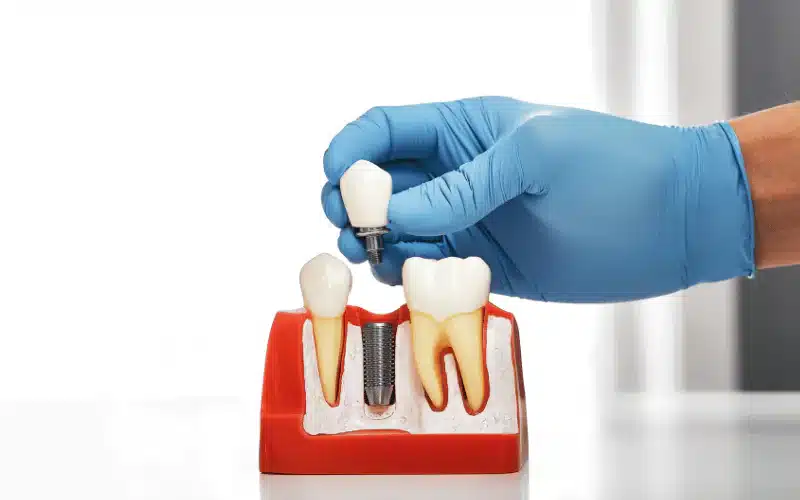
Dental Implants are a transformative solution when it comes to restoring your missing teeth. Selecting the right material and type of prosthetic teeth helps restore function and boost confidence.
Whether you’ve lost a single tooth or need full-mouth restoration, dental implants in Dallas offer a stable solution. But is there an ideal age for teeth replacement?
Keep reading this blog to determine eligibility and the role of age in addressing tooth loss with prosthetics.
Why Dental Implants Are a Popular Choice?
Dental Implants offer unmatched stability and durability compared to other tooth replacement options. They mimic natural teeth in appearance and function, allowing you to eat, speak, and smile confidently.
Unlike dentures or bridges, implant posts help maintain jawbone health by stimulating growth. Dental prosthetics prevent the bone loss often associated with missing teeth, which makes them a long-term investment in oral health.
Age and Dental Implants: What You Need to Know
While age alone isn’t a barrier to getting artificial teeth, certain age-related factors influence their success.
For Younger Patients
Tooth implants are not recommended for individuals under 18. This is because their jawbones are still growing and developing. Placing an implant prematurely can interfere with jaw development and compromise long-term results.
For young patients, temporary options like bridges or partial dentures can replace a lost tooth until the jaw fully matures.
For Older Adults
Tooth loss becomes more common as we age. Statistics reveal that approximately 11% of adults aged 65 to 74 have lost all their teeth. This figure rises to 20% for those aged 75 and older.
Thankfully, age itself isn’t a limitation for getting prosthetic teeth. As long as you have adequate bone density and overall good health, implants can be successful even in older adults.
Factors That Determine the Best Age for Implants
Jawbone Development:
Implants are suitable for younger patients only once the jawbone has fully matured, typically around age 18 to 20.
Oral Health:
Gum disease or significant bone loss must be addressed before implant placement, regardless of age.
Overall Health:
Chronic conditions like diabetes or heart disease must be managed to ensure successful healing after the procedure.
Bone Density:
Sufficient jawbone density is crucial for implant stability. Bone grafting can improve suitability in cases of bone erosion.
Lifestyle Factors:
Smoking and poor oral hygiene can negatively impact the success of dental implants at any age.
Why Dental Implants Are Important?
Here are some top reasons to choose a partial or complete set of artificial teeth through implant surgery.
Restore Functionality:
Implants allow you to chew and speak naturally, improving your overall quality of life.
Prevent Bone Loss:
They stimulate the jawbone, preventing the shrinkage associated with missing teeth.
Enhance Aesthetics:
Implants blend seamlessly with natural teeth, giving you a confident, radiant smile.
Support Adjacent Teeth:
Implants prevent neighboring teeth from shifting, preserving alignment and oral health.
Long-Term Solution:
With proper care, dental implants can last for decades, making them a cost-effective choice.
Ideal Candidates for Dental Implants
The best candidates for dental implants are those who meet these criteria:
- Fully developed jawbone (typically 18 years or older)
- Good oral hygiene habits
- Healthy gums free from severe periodontal disease
- Sufficient bone density to support the implant
- No uncontrolled chronic illnesses or smoking habits
If you’re uncertain about your eligibility, a consultation with a dental professional can help determine the best course of action.
Preparing for Dental Implants
Before placing implants, your dentist will evaluate your oral health to assess bone density with advanced imaging techniques. In some cases, additional procedures like bone grafting may be required to create a stable foundation for the implant.
The implant process involves placing a titanium post into the patient’s jawbone. After healing, a custom crown is attached, completing your restoration.
The Best Age is the Right Age
While dental prosthetics are not recommended to younger patients due to jaw development, they are suitable for most adults. Whether you’re in your 20s or your 70s, the key is maintaining good oral and general health. For older adults, implants offer a second chance at a functional, confident smile, even after total tooth loss. The surgery not only restores appearance but also supports long-term oral health.
Getting dental implants in Dallas depends on factors like jawbone maturity, oral health, and overall well-being. Adults of any age can benefit from this life-changing procedure, provided they meet the necessary health criteria.
If you’re considering artificial teeth to replace lost ones, consult with a dentist or oral and maxillofacial surgeon, don’t hesitate to contact Elvebak Orthodontics to schedule an implant consultation.
Recent Articles

NEW PATIENTS Are WELCOME!